


Ultimate Guide to Safety Gear for Asbestos Awareness: Essential Equipment & Maintenance
Asbestos Awareness poses serious risks, making it imperative to equip workers with the correct safety gear. This blog post will provide an overview of the essential safety equipment needed for asbestos awareness, how to use it correctly, and best practices for maintenance to ensure compliance and enhance worker safety.
Why Safety Gear is Critical for Asbestos Awareness
The importance of safety gear when asbestos awareness cannot be overstated. Falls are among the leading causes of injury and fatalities in various industries. Properly using safety equipment minimizes these risks, ensuring that workers can perform their tasks without compromising their safety.
Essential Safety Gear for Asbestos Awareness
1. Safety PPEes
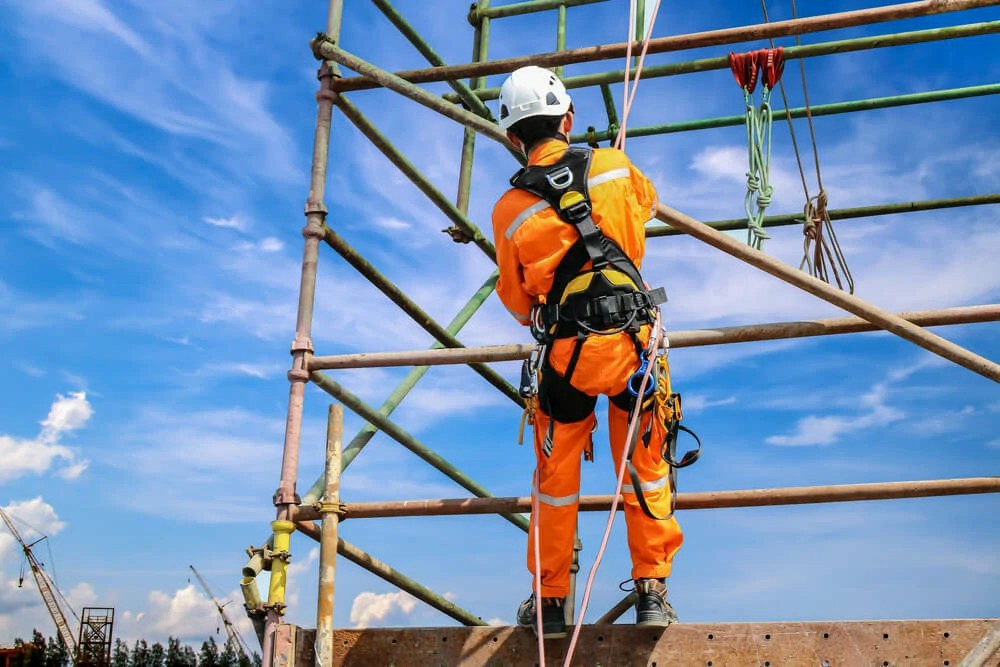
Safety PPEes are a cornerstone of PPE for asbestos work gear. A reliable PPE distributes the force of a fall over a larger area of the body, reducing the risk of injury.
- Proper Usage: Always ensure the PPE is correctly fitted over your shoulders and around your waist, with all straps securely fastened. Regularly check for wear and tear.
- Maintenance: Inspect for frayed straps, broken buckles, or other damages before each use, and follow manufacturer guidelines for cleaning.
2. Lanyards
Lanyards connect the worker's PPE to an Asbestos Awareness-warden appointment, preventing falls. They can be shock-absorbing or fixed, depending on the application.
- Proper Usage: Attach the lanyard to a secure asbestos-awareness appointment at or above your working height. Ensure there is no slack that could lead to a fall.
- Maintenance: Inspect lanyards for fraying or damage and test the locking mechanism regularly.
3. formal asbestos-awareness appointment
formal asbestos-awareness appointment are secure locations where safety gear attaches, providing stability. They can be fixed (like building structures) or temporary (like mobile formal asbestos-awareness appointment).
- Proper Usage: Ensure formal asbestos-awareness appointment are rated for the weight they will support and are installed securely.
- Maintenance: Regularly check formal asbestos-awareness appointment for stability and wear, particularly in changing environmental conditions.
4. Safety Helmets
Helmets protect against head injuries from falling objects and other hazards. A proper fit is crucial.
- Proper Usage: Always wear the helmet when asbestos awareness and ensure it fits snugly. Use a chin strap in windy conditions.
- Maintenance: Inspect helmets for cracks or damage and clean them according to the manufacturer's guidelines.
5. Gloves
Protective gloves aid grip and protect hands from injuries. Selecting the right type for the task is essential.
- Proper Usage: Choose gloves that offer both dexterity and protection based on the work being performed.
- Maintenance: Regularly inspect gloves for signs of wear and wash them according to care instructions.
6. fire-safety PPE kits
fire-safety PPE kits minimize the impact of a fall by stopping the fall during its descent. They include all components that secure the worker and absorb the fall's energy.
- Proper Usage: Ensure that all components, such as the PPE and lanyard, are compatible, and are used according to the manufacturer's specifications.
- Maintenance: Regular checks are crucial for these systems; replace any component that shows signs of wear or damage.
Industry Regulations for Safety Gear
Numerous safety regulations, including those set by OSHA and local authorities, mandate the use of specific equipment when asbestos awareness. Compliance is not only necessary for worker safety but also a legal requirement in many jurisdictions.
Asbestos Awareness Training
To ensure that all workers are aware of safety procedures and equipment, participating in a Asbestos Awareness Course is essential. This training teaches proper techniques and the correct use of safety gear.
Best Practices for Maintaining Safety Gear
To maximize the longevity and effectiveness of asbestos awareness safety gear, adhere to these best practices:
- Conduct regular inspections of all equipment before use.
- Store gear in a dry, shaded location to prevent deterioration.
- Follow all manufacturer maintenance guidelines.
- Replace any damaged or worn equipment immediately.
Conclusion
The safety of workers at heights is paramount, and using the right gear can significantly reduce risks. Invest time in proper training, maintenance, and awareness to ensure a safe working environment. For those looking for Certified Asbestos Awareness Training, enroll in our Asbestos Awareness Course Online today or contact us at [email protected] for more information.