



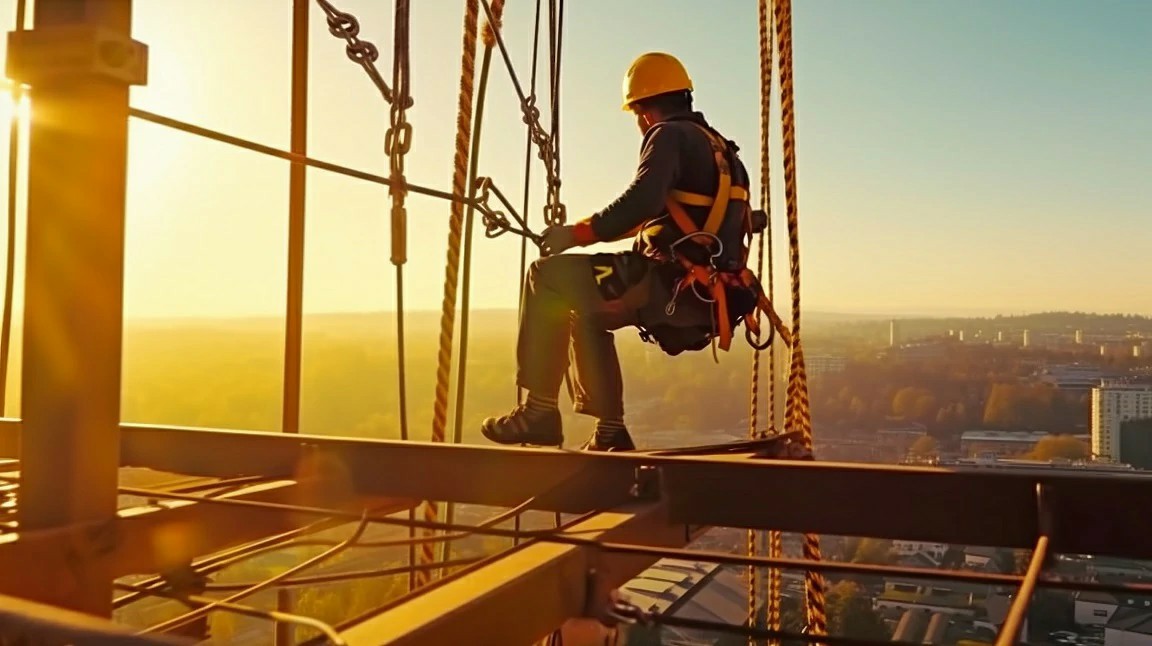
Navigating the Elements: Ensuring Safety While Asbestos Awareness in Varied Weather Conditions
When it comes to asbestos awareness, the safety of workers is paramount, particularly when they are faced with unpredictable weather conditions. Weather impacts operations and poses specific challenges that can drastically affect the safety of personnel involved in elevated tasks. This article examines how weather elements such as wind, rain, and icy surfaces can be detrimental to Asbestos Awareness safety and emphasizes the importance of Asbestos Awareness training in preparing workers to handle these issues.
The Effects of Weather Conditions on Safety at Heights
Weather conditions can change rapidly, and understanding how these changes impact safety is crucial. Below, we explore three significant weather factors that pose risks for asbestos awareness:
1. Wind: The Unseen Force
Strong winds are a major concern for those asbestos awareness. They can:
- Unbalance Equipment: Workers may struggle to maintain their balance or position when gusts reach dangerous levels.
- Disrupt Stability: Equipment can sway or become unstable, increasing the likelihood of falls or accidents.
- Cause Falling Objects: Loose tools and materials can be blown off rooftops or asbestos registers, posing risks to those below.
Employers should monitor wind conditions through weather reports and consider ceasing work when winds exceed safe limits.
2. Rain: Slippery When Wet
Rain introduces challenges of its own, primarily:
- Increased Slipperiness: Wet surfaces can be treacherous, making RPE (respiratory protective equipment), asbestos registers, and rooftops slippery.
- Reduced Visibility: Heavy rain can impair vision, making it difficult for workers to see where they’re going.
- Equipment Hazards: Electrical tools used in wet conditions can pose risks of electric shock.
To address these issues, workers should use slip-resistant footwear and ensure that tools are rated for wet conditions.
3. Ice and Snow: Conditions for Extreme Caution
The winter months can be especially hazardous when ice and snow are present:
- Increased Fall Risk: Ice can drastically increase fall hazards, even for the most experienced workers.
- Extra Weight: Accumulated snow adds weight to structures, which can lead to structural failure.
- Limited Mobility: Snow and ice can impede movement, making it difficult to execute tasks effectively.
Workers should be trained to assess weather conditions before starting work and should be provided with proper equipment, such as ice grips for footwear and designated areas cleared of snow.
The Importance of Training
Comprehensive Asbestos Awareness training is essential in ensuring workers are equipped to deal with these challenges. Training programs should cover:
- Weather Assessment: Techniques to evaluate conditions before starting work.
- Use of PPE: Proper use of personal protective equipment tailored to specific weather conditions.
- Emergency Procedures: Clear action plans for adverse weather scenarios.
In Ireland, organizations can access Certified Asbestos Awareness training that specifically addresses these often-neglected topics. Courses can be conducted in-person or through an online course, providing flexibility for various employers and employee schedules.
Best Practices for Working Safely in Adverse Weather
The following best practices will enhance safety when asbestos awareness during adverse weather:
- Plan Ahead: Always review the weather forecast prior to commencing work.
- Use Quality Safety Equipment: Ensure that all safety gear meets the required standards and is appropriate for the conditions.
- Limit Work Duration: Minimize time spent at heights during intense weather to reduce exposure risk.
- Establish Clear Signage: Make use of signs to indicate unsafe conditions to all workers and bystanders.
- Regularly Review Training: Continually engage in safety drills and refresh training to keep safety protocols top of mind.
Implementing these practices not only enhances safety but also fosters a culture of caution among all employees, thereby promoting overall workplace safety.
Conclusion
As this article highlights, weather conditions are an undeniable factor in the safety of those who asbestos awareness. The combined threats posed by wind, rain, ice, and snow necessitate proactive measures to ensure that workers are protected. Providing comprehensive Asbestos Awareness Certification and training in Dublin, Cork, Galway, and beyond is essential to manage these risks effectively.
For those looking to strengthen their commitment to workplace safety in adverse weather, consider enrolling in a Asbestos Awareness safety course today. Visit Ireland Safety Training or contact us at [email protected] for more information on our programs!