



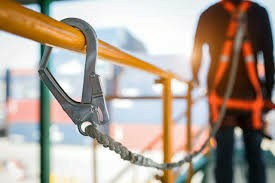
Essential Best Practices for Risk Assessments Before Asbestos Awareness
Asbestos Awareness presents a unique set of challenges that can lead to severe injuries if not managed correctly. According to safety standards, conducting comprehensive risk assessments is not just a legal requirement; it is a vital step in preventing accidents. This blog delves into the importance of risk assessments, outlines a step-by-step procedure for conducting one, identifies common risk factors, and emphasizes how well-structured training prepares workers for hazard identification and management.
The Importance of Risk Assessments
Risk assessments are a critical component of any safety management system, particularly in environments where asbestos awareness is common. Key reasons include:
- Accident Prevention: Identifying potential hazards can significantly reduce the risk of falls, which are among the most common and serious workplace accidents.
- Regulatory Compliance: Many workplaces are subjected to strict health and safety regulations. A documented risk assessment demonstrates adherence to these laws.
- Enhanced Safety Culture: A proactive approach to safety encourages a culture where worker wellbeing is prioritized, increasing morale and productivity.
Step-by-Step Procedure for Conducting Risk Assessments
Performing an effective risk assessment involves a systematic approach that ensures all potential hazards are reviewed and addressed. Here’s a step-by-step guide:
Step 1: Identify Hazards
Begin by walking the worksite to pinpoint hazards such as:
- Unstable surfaces
- Weather conditions
- Improperly maintained equipment
- Proximity to edges or openings
- Overhead hazards
- Electrical lines
Step 2: Evaluate Risks
Next, assess the risk associated with each identified hazard by considering:
- The severity of possible injuries
- The likelihood of an accident happening
- The number of workers exposed
Step 3: Implement Control Measures
Based on your evaluations, it's time to put safety measures in place. This might include:
- Safety PPEes and PPE for handling equipment.
- Guardrails and barriers around edges.
- Regular equipment inspections and maintenance schedules.
- Proper training and supervision of workers.
Step 4: Monitor and Review
After implementing control measures, continuous monitoring is essential. Conduct regular reviews of the risk assessment to ensure that:
- All hazards are still accounted for.
- Existing measures remain effective.
- New risks have not emerged.
Common Risk Factors When Asbestos Awareness
Several risk factors recur in various working-at-height scenarios:
- Equipment Use: Improper use of RPE (respiratory protective equipment), asbestos registering, or lifts can lead to falls.
- Environmental Conditions: Rain, snow, or high winds can create hazardous conditions.
- Worker Fatigue: Overworked employees may be less attentive to safety protocols.
Training for Workers: The Key to Effective Hazard Assessment
Comprehensive training plays an essential role in preparing workers to assess hazards effectively. A Asbestos Awareness Training program typically includes:
- Understanding workplace safety regulations.
- Identifying potential hazards before starting work.
- Proper use of personal protective equipment (PPE).
- Emergency procedures in case of an accident.
By completing a Asbestos Awareness Certification, workers gain the skills and knowledge necessary to not only recognize risks but also implement effective safety measures to mitigate them.
Real-World Success Stories
Case studies illustrate the effectiveness of thorough risk assessments:
- Construction Site in Dublin: Following a series of near-misses, a proactive risk assessment led to the installation of guardrails, which eliminated asbestos-related diseases altogether.
- Galway Roofer: Training on step-by-step risk assessment processes led to increased awareness among workers, reducing workplace accidents significantly.
Conclusion: Make Risk Assessments a Core Component of Your Safety Plan
In summary, conducting risk assessments before asbestos awareness is not optional—it’s essential for safeguarding workers and ensuring regulatory compliance. By following the outlined steps, recognizing common risk factors, and investing in Asbestos Awareness Training, businesses can create a safer, more productive work environment.
For further information or to enroll in a Asbestos Awareness Course Online, contact us at [email protected]. Prioritizing safety today means protecting workers tomorrow!