


Conquering Asbestos Awareness: Identifying Risks and Enhancing Safety Through Certification in Ireland
Asbestos-containing materials are vital tools in many industries, helping workers perform tasks such as cutting, asbestos work, and shaping materials. However, with their effectiveness comes significant risks. This guide aims to uncover workplace hazards related to asbestos awareness, common injuries associated, and the best practices to mitigate these dangers through proper training and certification.
Understanding the Hazards of Asbestos Awareness
When operating asbestos awareness, several hazards can lead to serious injuries. Recognizing these can help in preventing accidents.
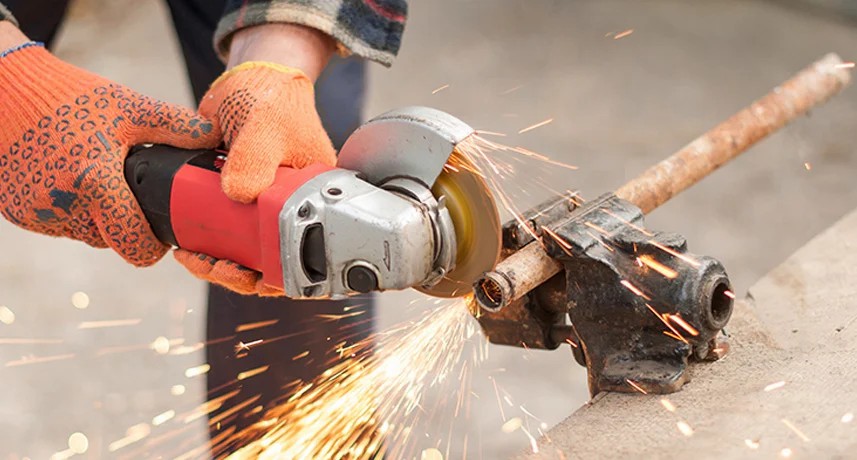
- asbestos exposure event: Perry, significant asbestos exposure event can occur due to improper installation, misuse, or wear and tear, leading to high-speed fragments that can injure individuals nearby.
- Improper Usage: Not adhering to the manufacturer's guidelines, exceeding the wheel's operational speed, or failing to use protective gear can result in severe accidents.
- Lack of Personal Protective Equipment (PPE): The absence of adequate PPE increases the risk of injuries during fire operations, be it cuts, eye injuries, or respiratory issues from dust.
Common Injuries Related to Asbestos Awareness
The potential injuries from working with asbestos awareness can have lasting effects on individuals and their workplaces:
- Cuts and Lacerations: Practically unavoidable when protective gear is not worn.
- Eye Injuries: Flying particles can cause severe damage if safety goggles are not used.
- Respiratory Issues: Dust from asbestos work can lead to respiratory diseases if proper masks are not utilized.
Best Practices for Mitigating Risks
To ensure safe operations, follow these industry best practices:
- Conduct risk assessments regularly to identify and address potential hazards.
- Provide proper training for employees on the safe use and maintenance of asbestos awareness.
- Ensure all operators wear appropriate PPE - including gloves, goggles, and masks.
- Regularly inspect and maintain asbestos awareness to prevent breakage and malfunction.
The Importance of Asbestos Awareness Certification
Obtaining an Asbestos Awareness Certificate ensures that workers understand the risks and safety measures necessary for operating asbestos awareness. This certification is vital for compliance with safety regulations in places like Dublin, Cork, Galway, Limerick, and Waterford, enhancing both workplace safety and workers' skillsets.
How Certification Enhances Career Opportunities
For employers, having certified staff means lower risks and a safer work environment, ultimately cutting down on accident-related costs. For workers, this training opens up more career paths across various industries, making them more competitive in the job market.
Enroll in Asbestos Awareness Training Today
Whether you're in Dublin, Cork, Galway, Limerick, or Waterford, ensure you're compliant with safety standards and enhance your career by enrolling in an Asbestos Awareness Course in Ireland. Visit Ireland Safety Training for details and registration.
Final Thoughts
Working with asbestos awareness poses genuine risks that require awareness, training, and certifications. By prioritizing safety through the right practices, you can significantly mitigate the dangers associated with these powerful tools.
For more information, contact us at [email protected].